
Why Pure, Organic Aloe Vera Gel is a Must-Have for Irritated Skin
Skin irritation is a universal concern that touches nearly every age and skin type—especially in today’s world of increasing UV exposure, personal care products, and environmental stress. The demand for safe, proven, natural remedies has never been more urgent, particularly for Baby & Child Skin, women’s health, and those struggling with recurring skin conditions. Pure, organic aloe vera gel stands out as a time-honored botanical solution, cherished across cultures for centuries. Renowned for its anti-inflammatory properties, rapid wound healing benefits, and skin barrier support, topical aloe vera and its synergistic ingredients like Vitamin C, Vitamin E, amino acids, hyaluronic acid, and seaweed extract offer advanced, gentle relief. For comprehensive strategies on soothing sensitive skin, calming redness, and repairing your skin barrier, explore our complete guide. In this article, you’ll uncover the science, purity criteria, expert usage tips, and how Altitude Yunnan’s Franco-Chinese herbal experience brings world-class innovation to botanical skincare.
Discover How Aloe Vera Gel Heals Irritated Skin—Science & Tradition Combined
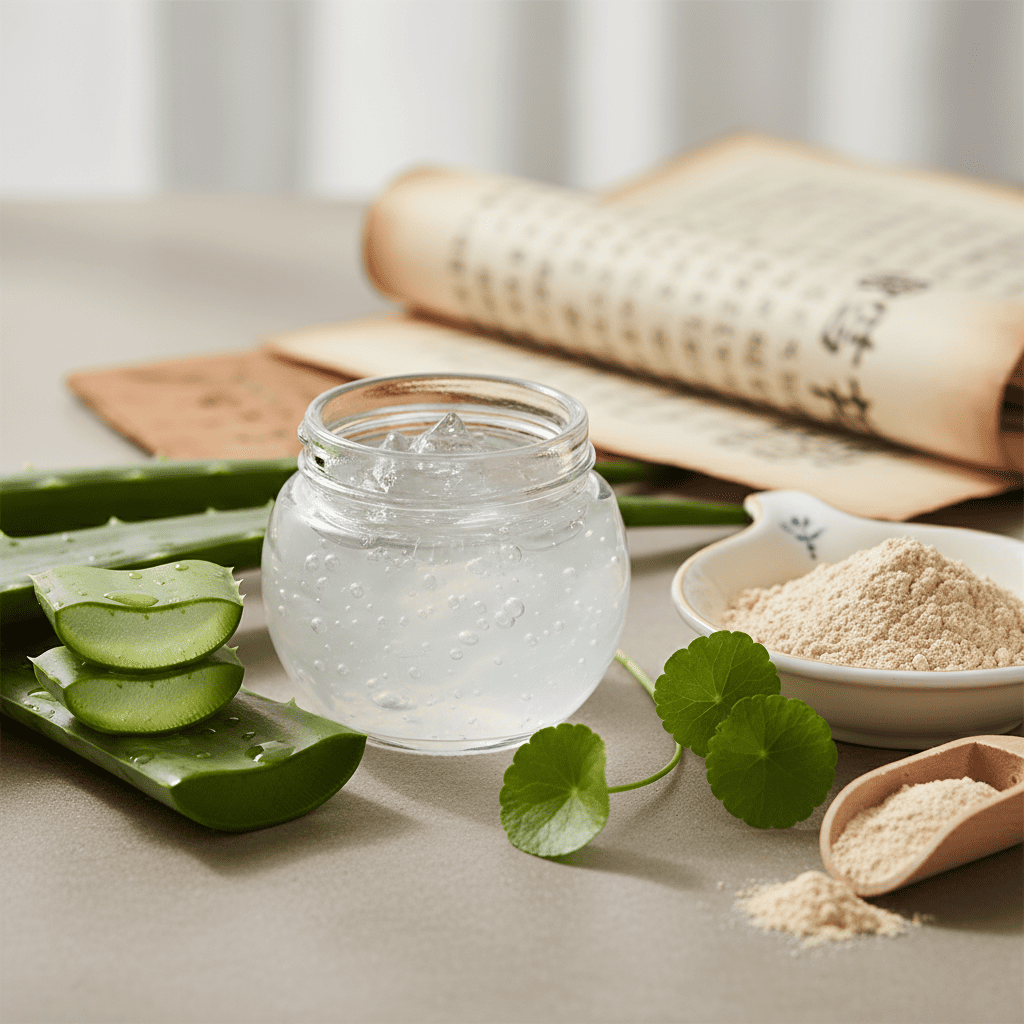
Calming Inflammation and Redness—The Bioactive Compounds That Work
Organic aloe vera gel’s primary strength derives from a powerful ingredients list: polysaccharides (notably acemannan), amino acids, vitamins C and E, and salicylic acid. These compounds are clinically recognized for anti-inflammatory properties, reducing redness and sensitivity associated with skin irritation, eczema, and even exposure to common irritants in personal care products.
Scientific studies confirm that topical aloe vera can inhibit pathways associated with inflammation, which helps mitigate the symptoms of skin conditions such as pressure sores, chronic ulcers, and cold sores. The antioxidants, paired with hydrating polysaccharides, support natural remedies for cumulative skin stress from UV exposure or reactive topical application.
Accelerating Skin Repair and Moisture Balance
Aloe vera’s wound healing potential lies in its ability to promote collagen production, accelerate cell turnover, and restore skin’s natural moisture levels. The presence of hyaluronic acid and native enzymes aids in moisture retention, vital for healing minor wounds, second degree burns, and pressure ulcers.
Clinical observations highlight rapid recovery in burn wound healing with aloe-based dermal wound gel. Notably, the application of aloe-based carrasyn dressing on cesarean wound sites expedites closure and reduces chance of infection, offering significant comfort to women’s health and baby skincare needs. Vacation's After Sun Gel formulas harness aloe’s capabilities to calm sunburns and restore barrier function post-UV exposure.
Traditional Chinese and Global Herbal Wisdom
Across Yunnan and beyond, aloe vera’s reputation as a medicinal plant is deeply entrenched in both Traditional Chinese Medicine and holistic skincare rituals. Its use is not isolated—seaweed extract, Panax notoginseng, and botanicals like centella commonly co-exist in complex blends. At Altitude Yunnan, this Franco-Chinese approach marries science with tradition, creating potent blends for maximum skin relief and defense.
Choose Wisely: What Makes “Pure & Organic” Aloe Vera Gel the Safest Pick for Sensitive Skin?
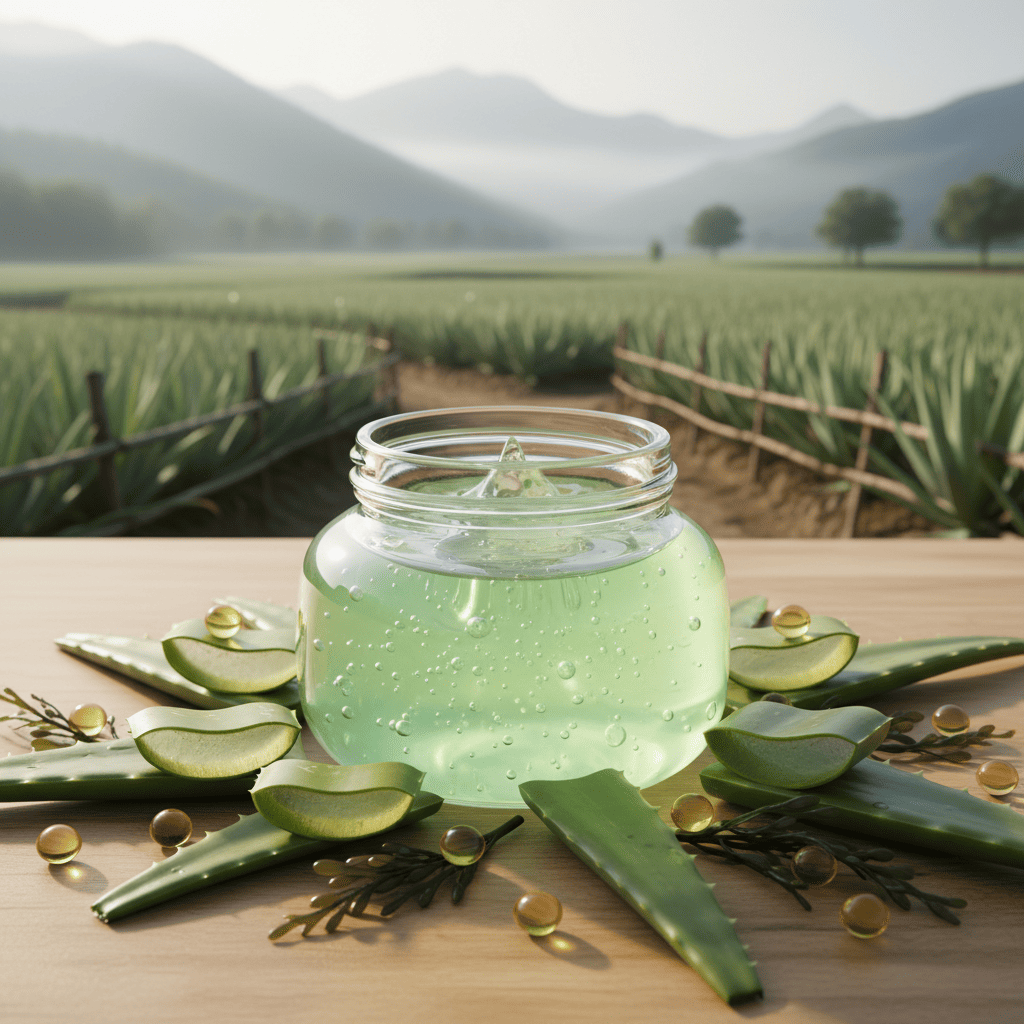
Demystifying “Pure” and “Organic”—What to Look for on Labels
For any topical gel used on sensitive, irritated, or Baby & Child Skin, purity and organic certification are paramount. “Pure” aloe vera means minimal processing and a high aloe content—usually over 90%. “Organic” requires avoidance of pesticides, synthetic fertilizers, and non-organic preservatives across the ingredients list. Look for reputable certifications (COSMOS, USDA Organic, or Ecocert), and scrutinize for hidden additives, artificial fragrances, or hydrophilic cream thickeners unrelated to natural healing.
Read ingredient lists closely: Active ingredients should include not just aloe barbadensis, but supportive compounds like Vitamin E, hyaluronic acid, and seaweed extract. Avoid ambiguous terms or long lists of chemical stabilizers.
The Risks of Adulterated or Synthetic Products
Synthetic or diluted aloe gels can introduce irritation, disrupt wound healing, or confound people with chronic skin conditions. Studies point to increased incidents of skin infections and slowed healing with adulterated topicals.
Poor-quality gels may worsen skin irritation after UV exposure or trigger unexpected reactions in vulnerable groups, such as children or post-surgical patients (e.g., cesarean wound care). Always favor transparent sourcing and ingredient traceability.
Altitude Yunnan’s Commitment—From Yunnan Fields to Your Skin
Altitude Yunnan rigorously adheres to farm-to-formulation standards, leveraging over 15 years of green R&D to bring certified natural, traceable botanicals—including aloe vera—from pure Yunnan origins. Advanced integration with Franco-Chinese science and ethical sourcing assures our partners and clients global best practices in dermal wound gel and personal care products alike.
Apply with Confidence: Best Practices & Pro Tips for Using Aloe Vera on Irritated Skin
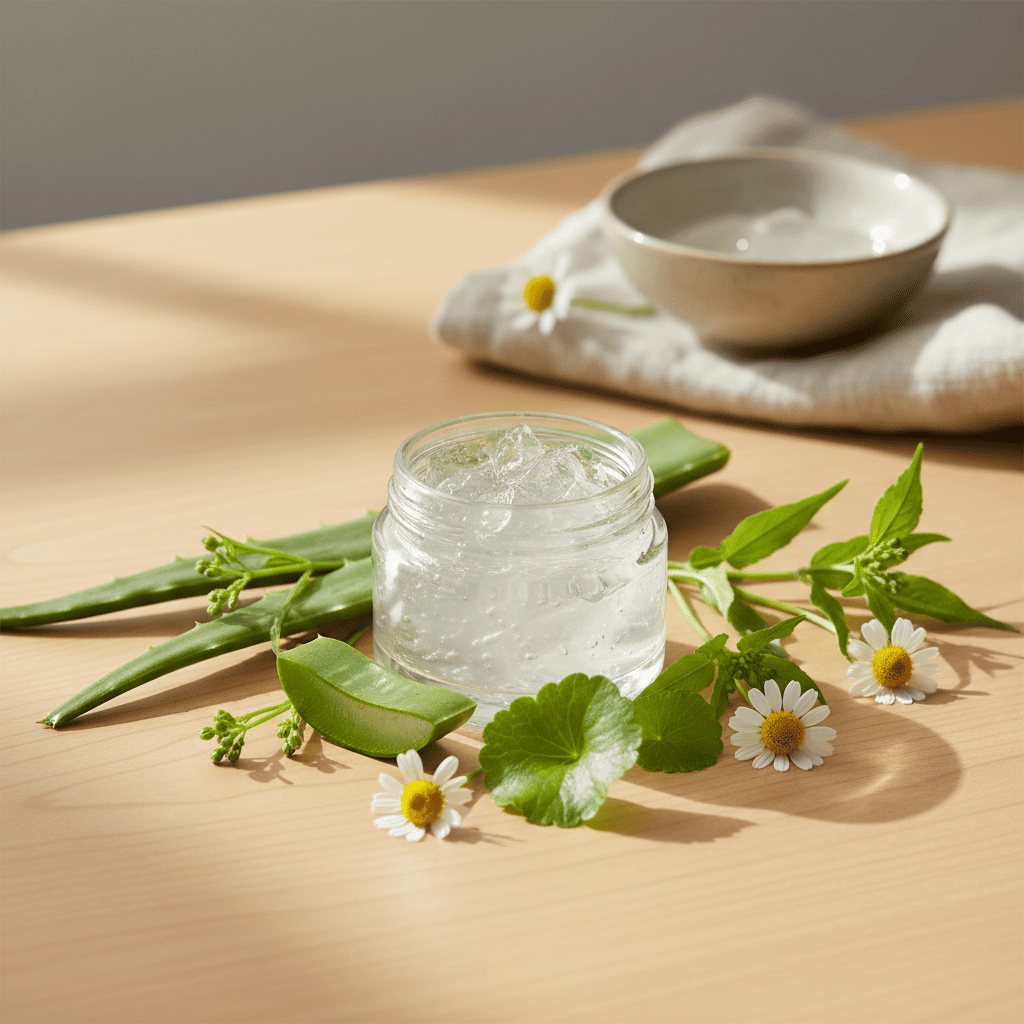
How to Patch Test and Safely Apply Aloe Vera Gel
Even the gentlest natural ingredients warrant careful introduction:
Begin with a patch test: Apply a small amount of topical aloe vera on the inner forearm, wait 24 hours, and observe for redness, hives, or discomfort.
For sensitive or Baby & Child Skin, test a pea-sized dot behind the ear or on the wrist.
Once cleared, gently cleanse the affected area, pat skin dry, and apply a thin layer—do not rub vigorously.
Maximizing Results—Layering with Other Botanical Extracts
Unleash greater benefits by combining pure, organic aloe vera gel with synergistic botanicals. Yunnan’s Panax notoginseng (more potent in wound healing and anti-inflammatory effect than standard Panax ginseng), along with centella and chamomile, provide cumulative defense for skin under chronic stress or recovering from burns.
These blends can help treat complex skin injuries, chronic ulcers, or areas prone to infection post-UV exposure or topical application mishaps. If irritation persists or worsens, consult a dermatology specialist promptly.
Altitude Yunnan’s Recommendations for Customizable Herbal Care
Our R&D team specializes in gentle, tailored herbal blends for vulnerable skin, using meticulously sourced ingredients from Yunnan and beyond. Our formulations integrate centuries-old wisdom with modern science to maximize skin defense, moisture balance, and healing outcomes
Product Guide: How to Select the Best Pure, Organic Aloe Vera Gel for Skin Relief
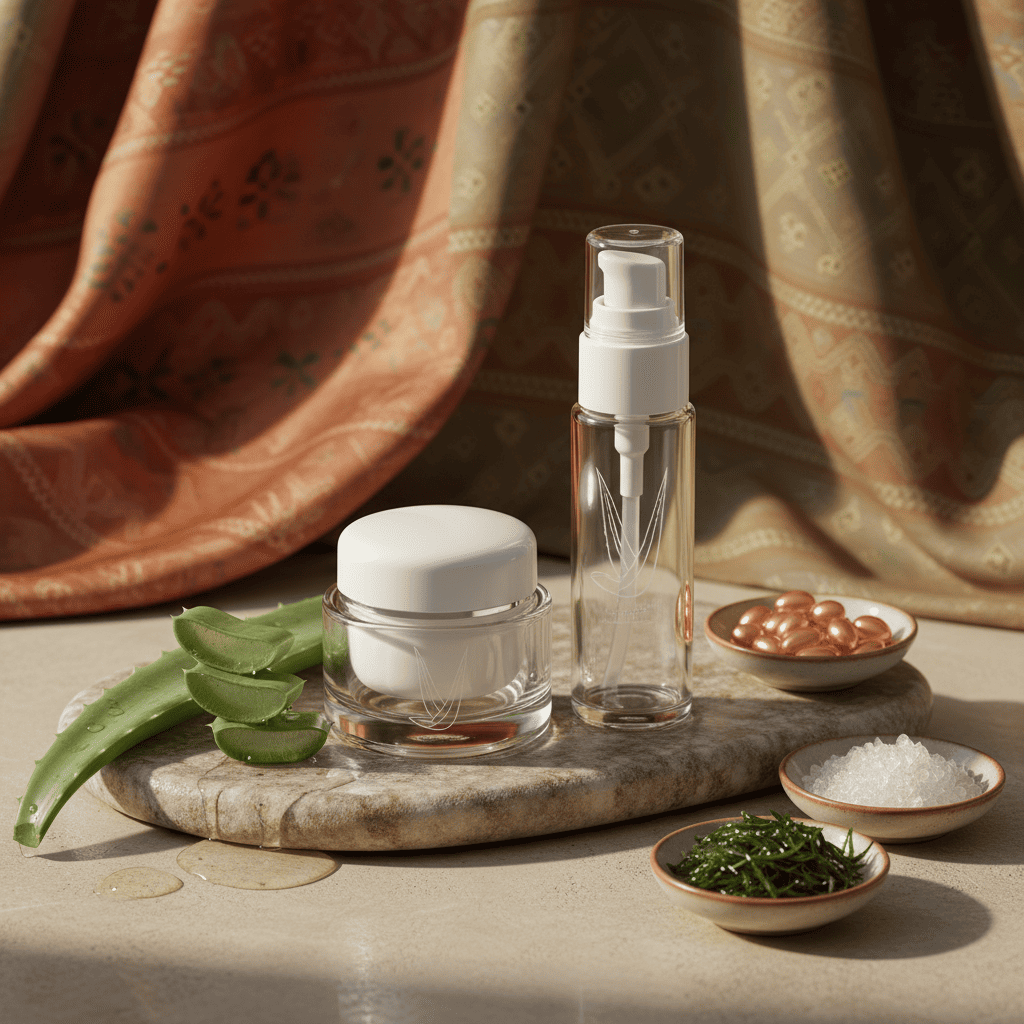
Must-Check Criteria—Aloe Content, Ingredients, and Certification
When choosing an aloe vera topical gel, prioritize:
90%+ aloe content on the ingredients list as the first—and preferably, main—ingredient.
Verified organic certification (USDA, Ecocert, COSMOS, etc..) for the product itself, or for the raw material used in the product.
Absence of synthetic colors, fragrances, parabens, or harsh preservatives.
Presence of active ingredients like Vitamin E, Vitamin C, hyaluronic acid, and naturally-derived plant extracts to boost efficacy, moisture, and barrier repair.
Interpreting Reviews and Choosing Reputable Brands
Examine feedback from users with similar needs—those managing pressure sores, baby & child skin irritation, or post-burn wound healing—to ensure consistency in results and no reports of skin irritation.
Brands like Altitude Yunnan gather real-world data and consumer experience in product refinement, using it as the foundation for botanical advancements in personal care products.
Where to Find the Best Aloe Vera Gels: Online and Offline
Purchase only from reputable health stores, licensed pharmacies, or the certified sections of premium skincare e-commerce platforms. Watch for batch transparency, freshness, ethical packaging, and a commitment to sustainability. Avoid bargain gels with questionable ingredient origins or vague labelling. Responsible sourcing supports both your skin health and broader environmental stewardship.
FAQs: Your Essential Questions About Pure, Organic Aloe Vera Gel Answered
In most cases, yes. Ensure the gel is free from artificial additives and perform a patch test prior to broad application. Look for products serving both sensitive adults and baby & child skin for the highest safety profile.
Scan for recognized certifications (Ecocert, USDA) and clear ‘organic’ or ‘bio’ labels. Verify that the ingredients list starts with Aloe Barbadensis and contains minimal, natural preservatives.
Generally, aloe is safe for topical application, but always consult your provider when combining with prescription creams, especially post-surgical (cesarean wound) or medicinal plant infusions.
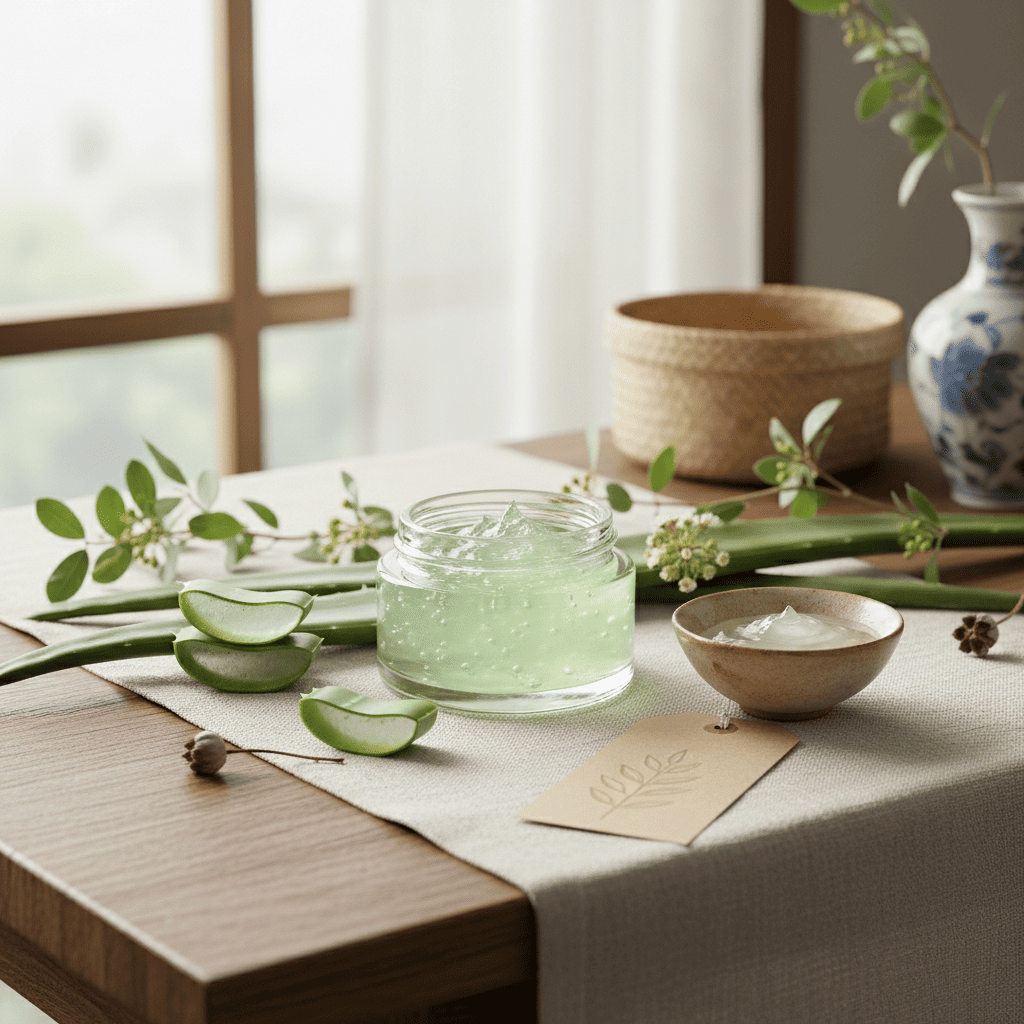
It should be nearly clear, slightly viscous, and free of strong artificial scent. There should be third-party certification and an expiration date, with visible results in calming redness and speeding wound healing.
High-purity, certified organic aloe vera gel is tolerated by most, but patch testing first is essential. For chronic ulcers, eczema, or ongoing skin conditions, seek medical guidance for any treatment regimen.
Nourish sensitive skin naturally—choose the best for your well-being.
Pure, organic aloe vera gel stands at the intersection of science and tradition, validated by generations and state-of-the-art botanical research. Its anti-inflammatory properties, hydration mechanisms, and wound healing efficacy make it an essential for baby & child skin, women’s health, and anyone facing skin irritation issues. Always opt for certified, transparent brands that prioritize ingredient integrity, ethical sourcing, and effective natural remedies. For those seeking professional B2B partnerships, Altitude Yunnan welcomes you to explore our evidence-backed, Franco-Chinese cosmeceutical expertise—a trusted path to advanced, gentle skin solutions.


© Altitude Yunnan